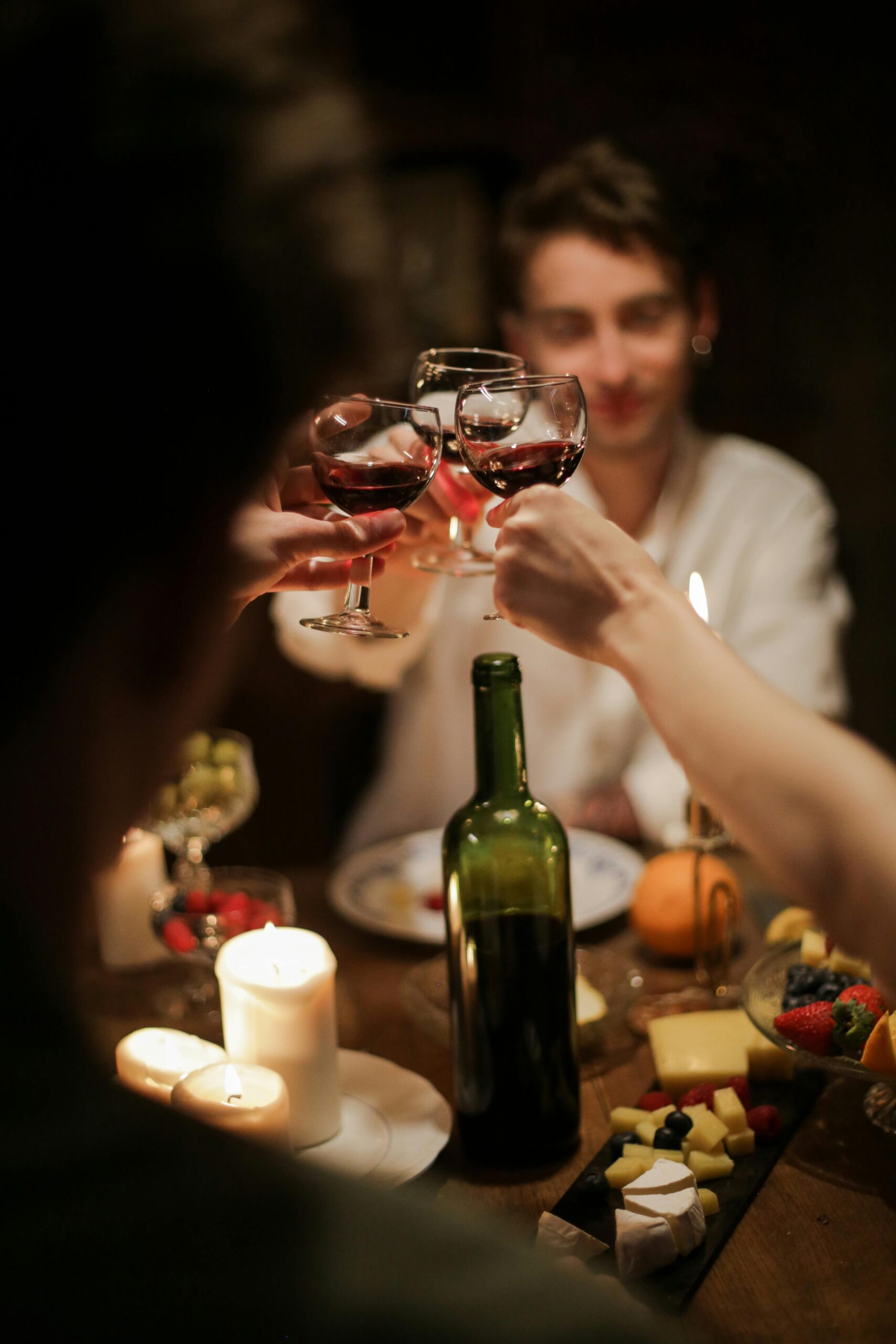
Why Dessert Wine Deserves Your Attention
When travelers search for wine tasting in Paris, the focus is almost always the same: Bordeaux reds, Burgundy whites, Champagne. These wines are essential to French wine culture but they are only part of the story.
Dessert wine remains one of the most overlooked categories in French wine, especially among international visitors. Yet from a sommelier’s perspective, dessert wine is one of the most revealing styles to taste if you want to understand balance, terroir, and how wine truly fits into French food culture.
If you want a deeper, more complete wine tasting experience in Paris, dessert wine should not be optional. This is where a private French wine tasting in Paris becomes especially interesting, the chance to explore lesser-known styles, including dessert wines, with clear, expert guidance and thoughtful pairings.
What Is Dessert Wine?
Dessert wine is wine made with natural residual sugar, meaning fermentation is stopped before all grape sugar converts into alcohol. The result is not simply “sweet wine,” but a wine defined by balance between sugar, acidity, alcohol, and aroma.
In France, dessert wines are valued for:
- Freshness rather than heaviness
- Precision rather than power
- Length and complexity rather than sweetness alone
This distinction is essential and often misunderstood by first-time tasters. A proper wine tasting in Paris helps clarify this difference immediately in the glass.
Paris is not a wine-producing region, but it is one of the best places in France to learn how wine is actually chosen and enjoyed. Wine here is contextual selected according to food, season, time of day, mood, and occasion.
Dessert wine fits naturally into this philosophy. It is not reserved only for the end of a formal meal. In Paris, it can be enjoyed:
- As an afternoon wine tasting
- With pastry rather than a full dessert
- As a lighter alternative to red wine
- As a teaching tool for understanding structure and balance
For wine professionals, dessert wines are often used to train the palate because they clearly demonstrate the role of acidity, texture, and finish.
French Desserts Are Made for Wine
French desserts are intentionally restrained in sugar. This is why dessert wine pairing works so well in France and often fails elsewhere.
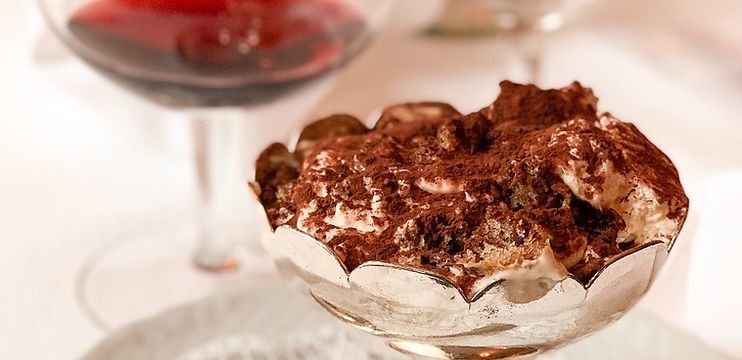
A classic example is tarte Tatin. Caramelized apples, butter, natural fruit acidity, and minimal added sugar. When paired with the right dessert wine, the result is seamless:
- The wine tastes fresher
- The dessert gains depth
- Neither dominates the other
For travelers, this pairing is one of the clearest demonstrations of how French wine and food evolved together.
An Underserved Category in Paris Wine Tastings
Many wine tastings in Paris stop before dessert wine. From a professional standpoint, this leaves the experience incomplete.
Dessert wines allow tasters to explore:
- Late-harvest and concentration techniques
- The interaction between sweetness and acidity
- Texture and mouthfeel
- Why certain wines age for decades
Understanding dessert wine is not about complexity for its own sake. It is about learning to recognize balance, which is the foundation of French wine philosophy.
Wine Tasting in Paris Should Teach You How to Choose Wine
A well-designed wine tasting in Paris should go beyond grape varieties and regions. Dessert wine is particularly effective for learning how sommeliers actually select wine based on:
- Occasion and setting
- Food and pairing
- Time of day
- Season and weather
- The people at the table
These are the same criteria used in restaurants, wine bars, and private cellars across France.
Why Dessert Wine Is Ideal for Wine Education
Dessert wines are approachable yet technically complex. They are generous on the palate while still offering depth and structure. For international visitors, they remove intimidation while delivering real insight.
They also challenge a common misconception: that wine must always be dry or savory. In France, wine is about pleasure first and dessert wine embodies that philosophy perfectly.
Rethinking Wine Tasting in Paris
If you want a more refined, complete wine tasting in Paris, dessert wine should be part of the experience. It completes the picture.
Tasting dessert wines alongside classic French desserts is one of the most effective ways to understand balance, pairing, and pleasure the core principles of French wine culture.
For travelers seeking more than the basics, dessert wine is not an extra.
It is essential.
Interested in learning more?
A private wine tasting tour in Paris by Astra via tours offers the ideal setting to explore dessert wines alongside classic French styles, understand pairing in real terms, and learn how to choose wines for every occasion just as sommeliers do.
If you’re curious to go deeper, There is an article on understanding and choosing French wine that offers useful context beyond dessert wines.